
Pigmentation Treatment
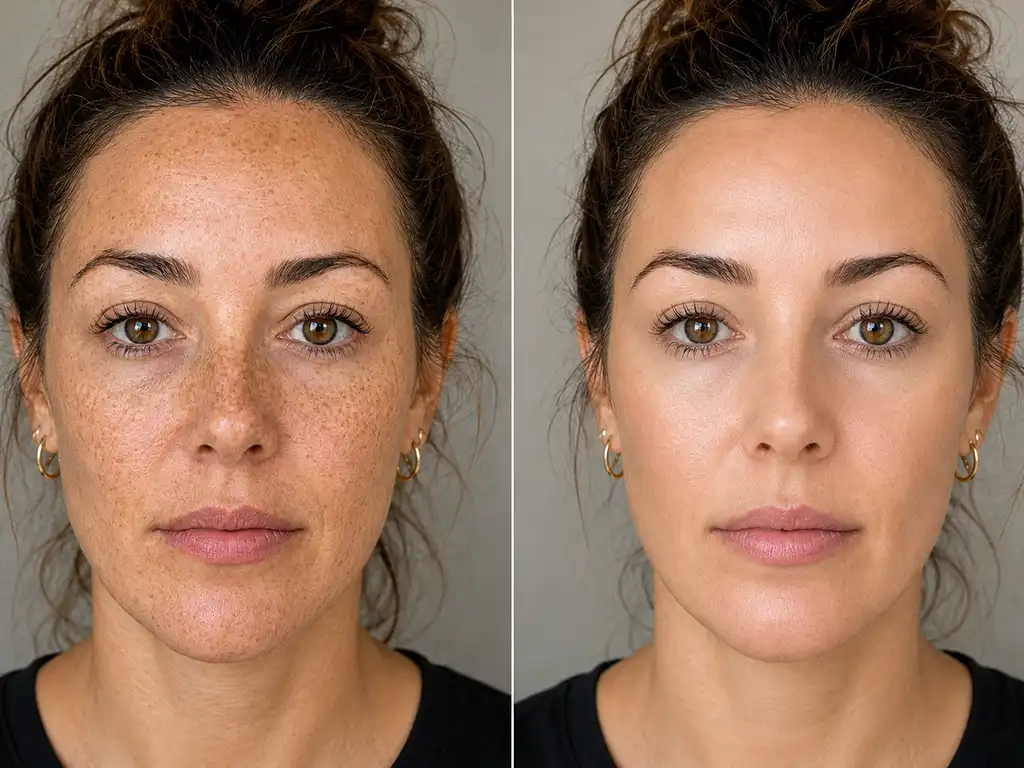
Pigmentation treatment is designed to improve dark patches, sun damage, uneven skin tone, melasma, and post-acne marks.
PIGMENTATION CORRECTION
Correcting Pigmentation With Precision
At Qulin Aesthetic Clinic, pigmentation treatment begins with a detailed skin assessment to identify the type, depth, and likely cause of pigmentation. We assess sun damage, melasma, post-acne marks, inflammation, skin sensitivity, and current skincare habits before recommending a treatment plan.
Depending on your skin, treatment may involve chemical peels, depigmentation treatments, laser or IPL, microneedling, and targeted skincare ingredients. Our focus is to reduce visible discolouration, improve skin clarity, and help minimise recurrence through proper aftercare and daily sun protection.
Treatment Duration
30–60 Minutes
Results Visible
Gradually Over Several Weeks
Downtime
Minimal To Moderate
Discomfort Level
Mild
What Is Pigmentation Treatment?
Pigmentation treatment is not a single procedure. It is a structured skin plan designed to target excess melanin, uneven tone, dark spots, and discolouration. Pigmentation can be caused by sun exposure, inflammation, acne, hormonal changes, melasma, or skin trauma.
At Qulin Aesthetic Clinic, your treatment may include skin analysis, chemical peels, Cosmelan-style depigmentation approaches, laser or IPL treatment where suitable, microneedling for post-inflammatory marks, and medical-grade skincare guidance
Common treatment areas include:
Face
Forehead
Nose
Cheeks
Chin
Neck & Décolletage
Hands
Upper Lip
Treatment Highlights
Benefits Of Pigmentation Treatment
- Improve Uneven Skin Tone
- Reduce Dark Spots
- Improve Sun Damage
- Support Brighter Skin Clarity
- Improve Post-Acne Marks
- Reduce Patchy Discolouration
- Improve Melasma Appearance
- Support Healthier Skin Renewal
- Reduce Dull-Looking Skin
- Improve Brown Marks
Request a Callback
YOUR TREATMENT JOURNEY
What To Expect From Your Treatment
From your initial consultation to ongoing aftercare, our team is here to guide you through every stage of your treatment experience.
Consultation
A detailed discussion to understand your concerns, goals and treatment suitability.
Treatment Plan
A clear treatment recommendation designed around your needs and expectations.
Treatment & Support
Expert care from treatment to aftercare.
FREQUENTLY ASKED QUESTIONS
Pigmentation Treatment FAQs
Find answers to common questions about pigmentation treatment, including melasma, sun damage, post-acne marks, suitable treatment options, recovery, and long-term maintenance.
What Causes Pigmentation On The Face?
Pigmentation can be caused by excess melanin production triggered by sun exposure, acne inflammation, hormonal changes, melasma, skin trauma, or ageing. The cause is important because different pigmentation types need different treatment approaches.
Is Pigmentation Treatment The Same For Everyone?
No. Melasma, sun spots, post-acne marks, and age spots behave differently. Some pigmentation sits closer to the skin surface, while deeper pigment may require a longer and more careful treatment plan.
Can Chemical Peels Help Pigmentation?
Yes. Professional chemical peels can help improve surface pigmentation, post-acne marks, dullness, and uneven tone by encouraging controlled skin renewal. The peel type must be selected carefully based on your skin tone and sensitivity.
Can Laser Or IPL Remove Pigmentation?
Laser or IPL may help certain types of pigmentation, especially sun spots and visible brown marks. However, not all pigmentation is suitable for laser, especially melasma-prone skin, which can sometimes worsen if treated incorrectly.
Can Pigmentation Come Back After Treatment?
Yes. Pigmentation can return, particularly if it is linked to melasma, hormones, heat, or UV exposure. This is why SPF, skincare maintenance, and avoiding unnecessary irritation are important after treatment.
What Is The Difference Between Pigmentation And Melasma?
Pigmentation is a broad term for darkened areas of skin. Melasma is a specific and more complex form of pigmentation that often appears in patches and can be influenced by hormones, heat, and sun exposure.
Can Pigmentation From Acne Be Treated?
Yes. Post-acne pigmentation can often improve with chemical peels, microneedling, skincare support, and sometimes laser-based treatments depending on the skin type and mark depth.
Is Pigmentation Treatment Suitable For Darker Skin Tones?
Yes, but treatment selection must be careful. Some lasers and aggressive peels can increase the risk of post-inflammatory pigmentation, so a proper skin assessment is essential before treatment.