
Chemical Peels
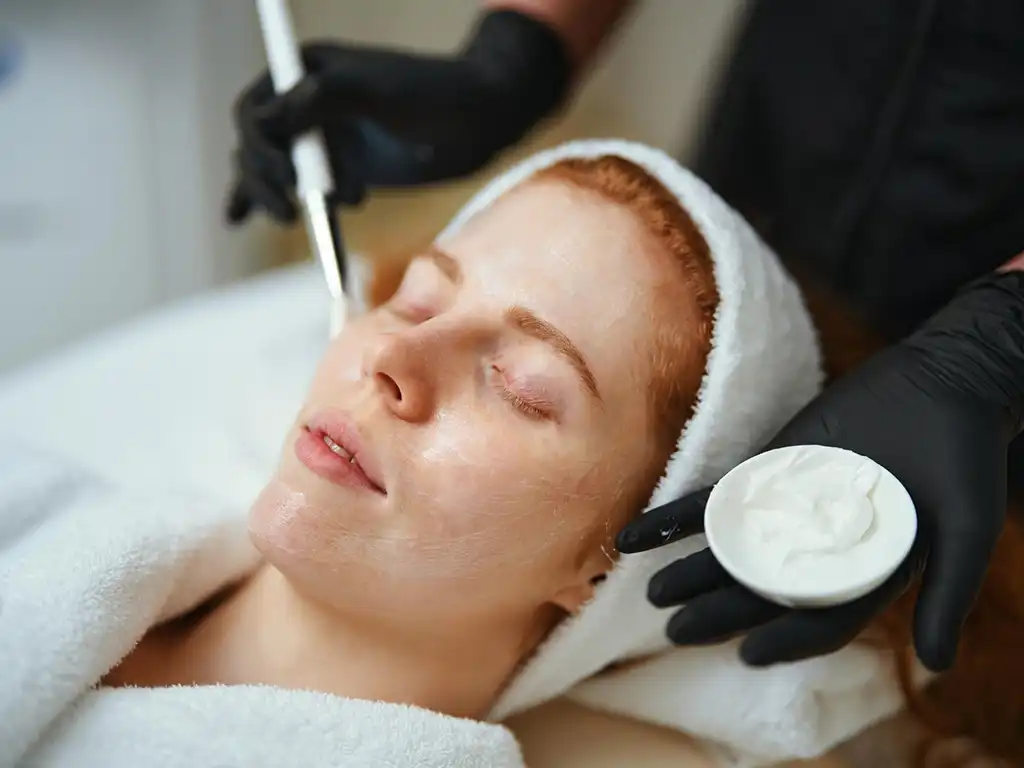
Chemical peels are advanced skin resurfacing treatments that use carefully selected acids to exfoliate the skin and encourage cellular renewal. They can help improve skin texture, pigmentation, acne, fine lines, and overall skin clarity for a fresher, more radiant complexion.
PROFESSIONAL SKIN RESURFACING
Personalised Skin Resurfacing
At Qulin Aesthetic Clinic, every chemical peel begins with a detailed skin assessment to identify your skin type, concerns, and treatment goals. We evaluate factors such as pigmentation, acne, skin texture, sensitivity, and overall skin health before selecting the most suitable peel.
Using professional-grade chemical peels, we help accelerate skin renewal and improve visible skin concerns while supporting long-term skin health. Our focus is on achieving healthier, clearer, and more radiant skin through a treatment plan suited to your individual needs.
Treatment Duration
30–45 Minutes
Results Visible
1–4 Weeks
Downtime
Minimal To Moderate
Discomfort Level
Mild
What Are Chemical Peels?
Chemical peels are professional skin treatments that apply carefully formulated acids to the skin to remove damaged outer layers and stimulate skin renewal. As old skin cells are shed, healthier and fresher skin emerges, helping improve a wide range of skin concerns.
Different peel strengths and formulations can be used depending on your skin type and concerns. Chemical peels are commonly chosen to improve pigmentation, acne, sun damage, uneven skin tone, fine lines, and dull-looking skin while supporting long-term skin health.
Treatment Highlights
Benefits Of Chemical Peels
- Improve Skin Texture
- Brighten Dull Skin
- Reduce Pigmentation Concerns
- Improve Uneven Skin Tone
- Support Skin Renewal
- Improve Acne-Prone Skin
- Refine Pore Appearance
- Encourage Cell Turnover
- Improve Sun-Damaged Skin
- Enhance Skin Radiance
Request a Callback
YOUR TREATMENT JOURNEY
What To Expect From Your Treatment
From your initial consultation to ongoing aftercare, our team is here to guide you through every stage of your treatment experience.
Consultation
A detailed discussion to understand your concerns, goals and treatment suitability.
Treatment Plan
A clear treatment recommendation designed around your needs and expectations.
Treatment & Support
Expert care from treatment to aftercare.
FREQUENTLY ASKED QUESTIONS
Chemical Peels FAQs
Discover how chemical peels help improve pigmentation, acne, skin texture, and overall skin clarity through professional skin resurfacing.
How Do Chemical Peels Improve The Skin?
Chemical peels accelerate the skin’s natural renewal process by removing damaged surface cells and encouraging healthier new skin to emerge. This can help improve texture, tone, and overall skin quality.
Which Skin Concerns Can Chemical Peels Treat?
Chemical peels are commonly used to address pigmentation, acne, post-inflammatory marks, sun damage, uneven skin tone, fine lines, and dull-looking skin.
Will My Skin Peel After Treatment?
Not always. Some peels result in visible peeling, while others work beneath the surface with little or no visible skin shedding. This depends on the type and strength of peel used.
Are Chemical Peels Suitable For Acne-Prone Skin?
Yes. Certain chemical peels can help improve congestion, excess oil production, acne breakouts, and post-acne pigmentation when selected appropriately.
How Many Chemical Peel Treatments Will I Need?
The number of treatments depends on your skin concerns and goals. Some patients choose a single treatment for skin refreshment, while others benefit from a course of treatments for more significant concerns.
Can Chemical Peels Help Pigmentation?
Yes. Chemical peels are commonly used as part of a treatment plan for pigmentation concerns, helping improve uneven skin tone and visible discolouration over time.
Are Chemical Peels Suitable For Sensitive Skin?
Certain peel formulations may be suitable for sensitive skin. A consultation helps determine the most appropriate treatment based on your skin type and concerns.
Are Chemical Peels Suitable For Darker Skin Tones?
Yes, but treatment selection must be careful. Some lasers and aggressive peels can increase the risk of post-inflammatory pigmentation, so a proper skin assessment is essential before treatment.